
Description
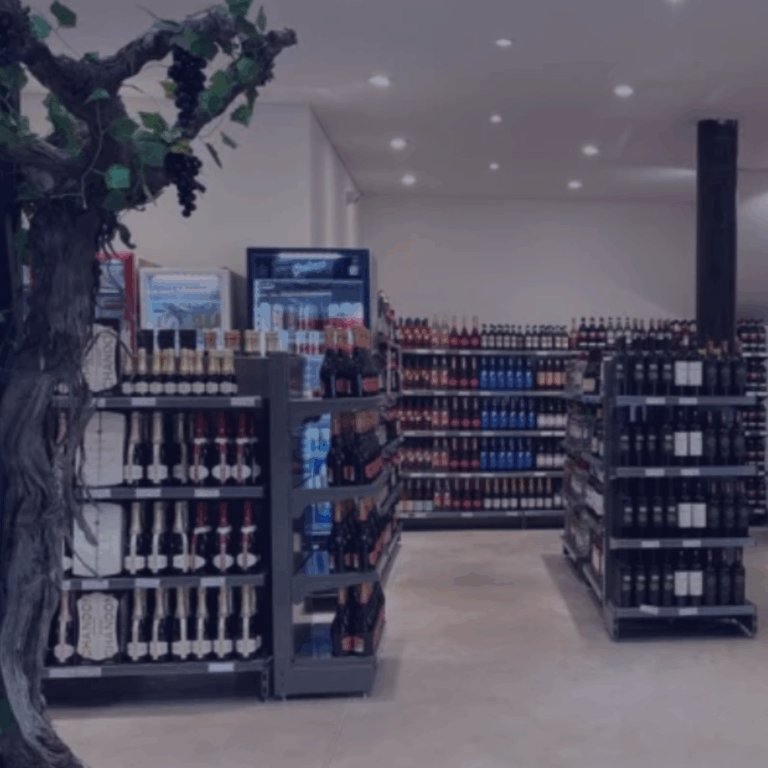
Sauda SRL is a family-owned company from Mendoza with over 20 years of experience in the retail and wholesale sector. It began in 1992 when Eduardo Abraham and his wife Silvia founded Alto Ahí!, a chain of kiosks that quickly gained a foothold in the market thanks to its innovation and customer service.
Project created in collaboration with Google Cloud.

Challenges
- Security and access restrictions
- Uninterrupted support
- Improved customer experience

- Fernando Vera, IT Supervisor

Summary
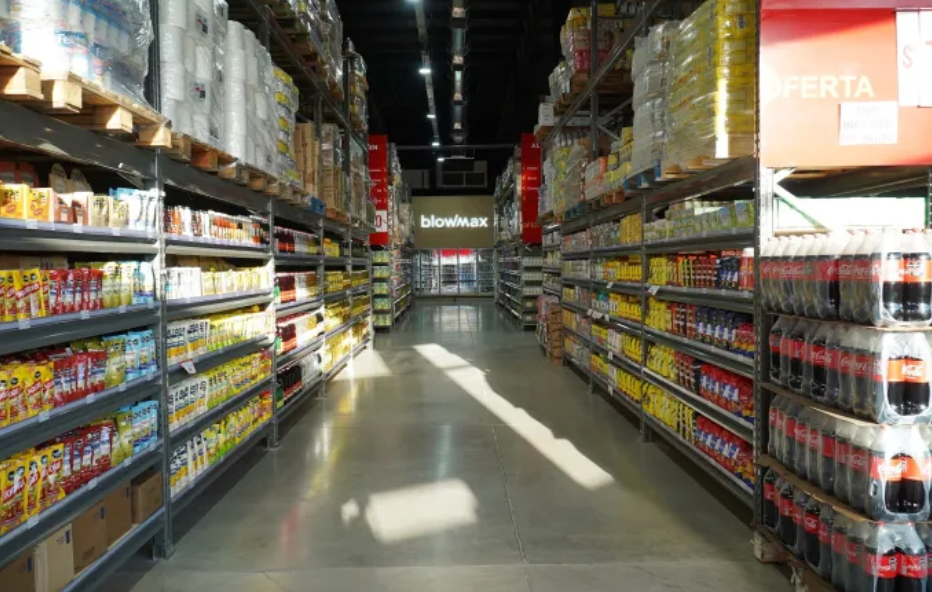
In 2003, with the aim of offering competitive prices, the first wholesaler of sweets and beverages was born in the center of Mendoza.
Over time, and to respond to new demands, Blow Max and Super A were born, expanding the proposal to mass consumer products and convenience stores.
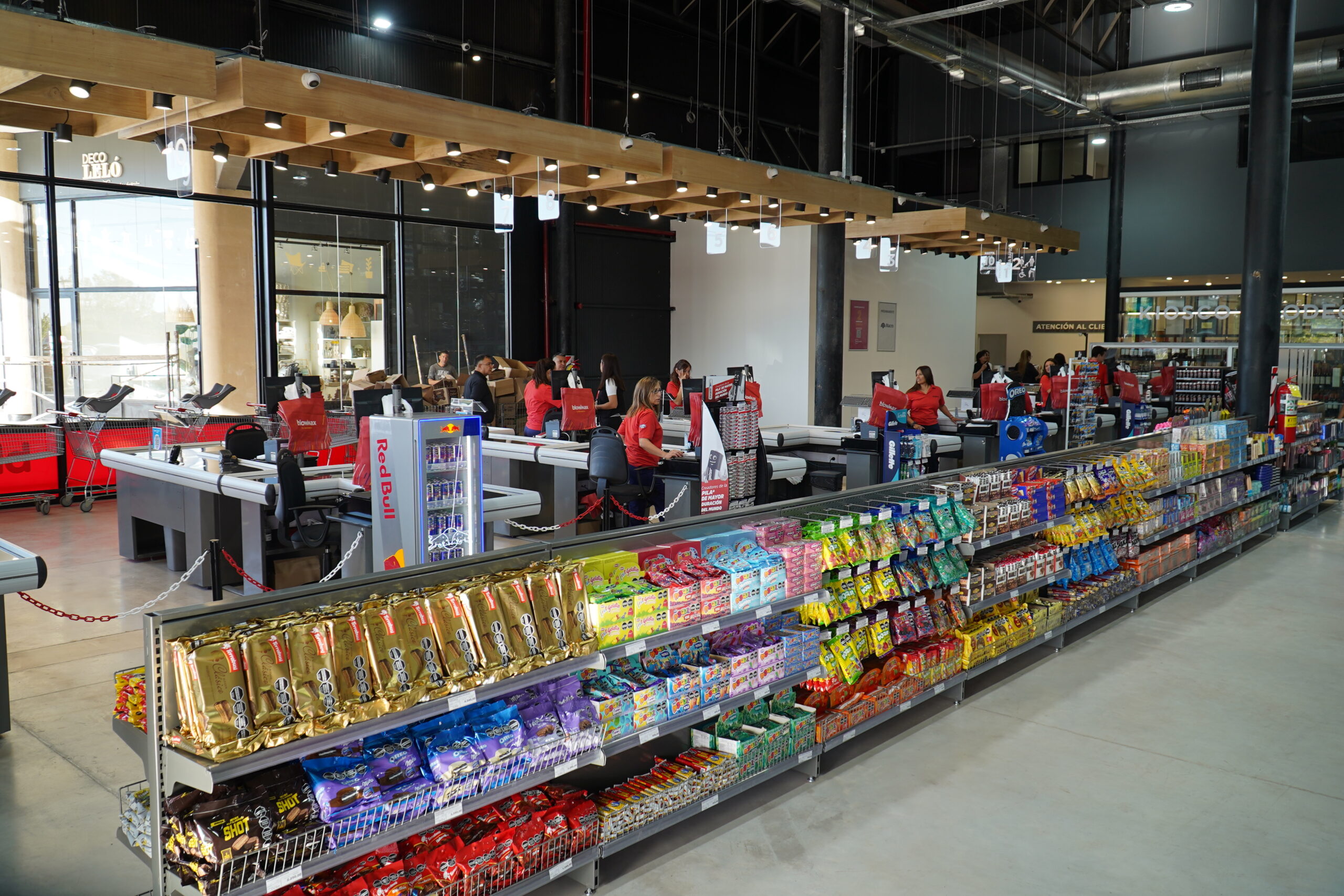
The digital transformation process was driven by the need to solve structural problems linked to the company’s growth (more than 18 branches and up to 300 jobs at seasonal peaks).
As Sauda expanded its operations, limitations in information management began to become apparent, with files distributed across multiple devices, a lack of version control, and security risks associated with unmanaged access.
In addition, the working model generated a high operational burden in administrative tasks, difficulties in collaboration between branches and long response times to technical incidents.
Faced with this scenario, the need was identified to implement a technological solution that would allow for the centralization of information, improve security, and optimize operational efficiency.

Approach
The decision to implement Google Workspace was based on three key factors:
- Ease of adoption: Many of the tools, such as Gmail and Drive, were already familiar to users, which significantly reduced resistance to change
- Integrated ecosystem: Native integration between tools allowed for centralizing communication, documentation, and collaboration on a single platform
- Specialized support: By working hand in hand with a certified partner, it is possible to adapt the technology to the reality and objectives of the business.
Compared to other alternatives on the market, this combination offered an optimal balance between functionality, scalability, and speed of implementation.
The new tools made it possible to replace manual and disorganized processes with structured and collaborative workflows.
Centralized repository
Professional communication
Analysis and management
Applied AI

The Results
The implementation was completed over a period of two months. The process was planned in stages, including data migration, access configuration, definition of security policies, and user training.
Thanks to the experience of a partner like Meriti and the simplicity of the tools, the complexity was moderate, with no critical disruptions to daily operations.
The employees’ adaptation was quick and smooth. A key factor was their prior familiarity with tools like Gmail and Google Drive in their personal lives, which shortened the learning curve.
Training in communication and collaboration tools (Google Meet, Chat, Docs and Sheets) allowed us to take advantage of advanced features and integration between applications.
There was a significant decrease in response times to incidents, as well as a reduction in errors with document versions.
On average, an improvement of 20% in effective working time is estimated, allowing efforts to be focused on higher value tasks such as projects and innovation.
The most significant impact was observed in operational efficiency:
- Elimination of attachment usage and versioning issues
- Real-time collaboration, reducing waiting times
- Optimizing meetings through recordings and automatic documentation
20%
Improvement in operational productivity
35%
Savings in licensing costs
+110
Active trained users
The current strategic focus is on continuing to evolve the organization’s level of digital maturity, through the automation of reports, integration tools, and Google Sheets.
A path to integrate artificial intelligence into operational processes, maintaining security standards, within a constantly growing environment, and facilitating the acquisition of key insights for more agile and efficient decision-making.